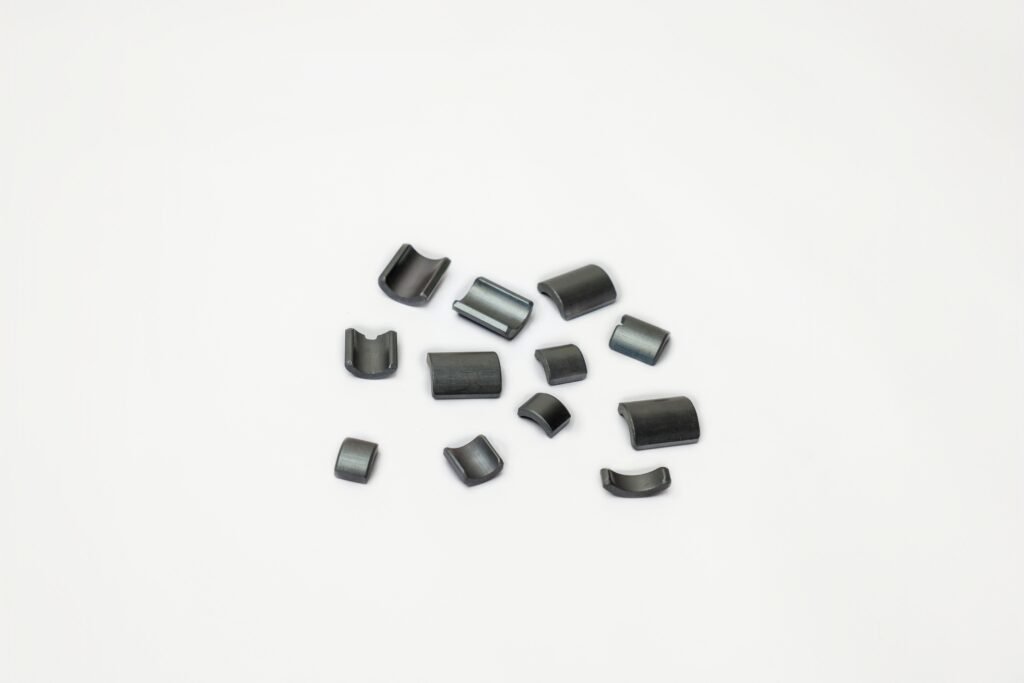
When we talk about energy transition and climate change, the spotlight usually falls on renewables, batteries, AI, and electrification. Rarely do we talk about magnets. Yet across modern industry, magnets sit quietly at the center of how efficiently energy is converted, controlled, and conserved.
From electric motors to robotics, from wind turbines to AI-driven hardware, magnetic systems are one of the most underestimated levers for energy efficiency and emissions reduction. As the world electrifies, improving magnetic performance may deliver some of the highest-impact, lowest-visibility climate gains available today.
1. Why Magnets Matter for Climate (More Than Most People Realize)
Electric motors, generators, and actuators account for an estimated 40–50% of global electricity consumption. Nearly all of these systems rely on magnetic fields to convert electrical energy into motion—or vice versa.
Every inefficiency in a magnetic system becomes:
- Waste heat
- Excess electricity demand
- Larger batteries or power supplies
- Shorter equipment lifetimes
Even small efficiency gains (2–5%), when applied across millions of deployed systems, translate into massive energy and emissions savings over time.
Magnets, therefore, are not “components.”
They are system-level climate infrastructure.
2. High-Efficiency Electric Motors: The Largest Untapped Opportunity
Electric motors are everywhere: factories, HVAC systems, vehicles, robots, pumps, and compressors. Advances in magnetic materials and magnetic circuit design enable:
- Higher torque density (same output, less energy)
- Lower resistive and hysteresis losses
- Reduced cooling requirements
- Smaller and lighter motor designs
In industrial settings, optimizing magnetic design early can improve overall motor efficiency by 2–5%, which compounds across years of continuous operation. For large facilities or transportation fleets, this translates directly into lower electricity demand and lower carbon intensity—without changing user behavior or infrastructure.
3. Robotics and AI Hardware: Energy Efficiency at Scale
As AI moves from software into the physical world, energy efficiency becomes a defining constraint.
Robots, autonomous systems, and AI-driven hardware rely on:
- Precision actuators
- Servo motors
- Magnetic sensors and encoders
Poor magnetic efficiency increases:
- Idle power draw
- Heat generation
- Cooling and battery overhead
- Mechanical wear
In robotics fleets operating 24/7—warehouses, logistics, manufacturing—magnetic optimization directly reduces energy consumption per task. Over thousands of robots, the climate impact scales quickly.
Importantly, design-stage magnetic decisions lock in energy performance for the entire product lifecycle. Fixing inefficiencies after deployment is often impossible or prohibitively expensive.
4. Electric Mobility and Autonomous Vehicles
Electric vehicles, delivery robots, and autonomous platforms depend on permanent magnets for propulsion, steering, and control.
Improved magnetic systems enable:
- Longer range per charge
- Smaller battery packs for the same performance
- Lower material and resource intensity
- Reduced lifecycle emissions
In autonomous electric systems, where sensors, compute, and actuation all draw power continuously, magnetic efficiency becomes a force multiplier for sustainability.
5. Renewable Energy and Power Generation
Magnets play a critical role in renewable energy infrastructure:
- Wind turbine generators rely on high-performance permanent magnets
- Magnetic generators reduce mechanical losses
- Compact designs lower material usage and maintenance needs
In wind energy, magnetic reliability and efficiency directly affect:
- Energy yield
- Downtime
- Total lifetime carbon footprint
As renewable capacity scales globally, magnetic system optimization becomes essential to maximizing clean energy output per installed asset.
6. Reducing Waste Through Better Prototyping and Design
Climate impact isn’t only about operational energy—it’s also about material efficiency.
Poorly designed magnetic systems often lead to:
- Multiple redesign cycles
- Excess prototyping waste
- Over-engineered components
- Shortened product lifetimes
By enabling early-stage magnetic simulation, prototyping, and validation, hardware teams can:
- Reduce material waste during R&D
- Avoid inefficient designs reaching mass production
- Extend product lifespan through better thermal and mechanical behavior
This “design once, deploy right” approach has outsized environmental benefits.
7. Emerging Frontiers: Magnets Beyond Motors
Magnets are expanding into new climate-relevant domains:
- Modular construction: magnetic connectors for low-waste, reconfigurable buildings (including 3D-printed structures)
- Energy storage and management: magnetic coupling and control systems
- Smart grids and automation: magnetic sensing for efficiency and reliability
- Advanced manufacturing: magnetic handling and levitation systems that reduce friction and wear
These applications highlight a broader truth: magnets enable efficiency not by replacing systems, but by making existing systems fundamentally better.
8. Why Magnets Are a “Hidden Climate Lever”
Magnets rarely appear in climate headlines because:
- They are embedded deep inside systems
- Their impact is incremental rather than flashy
- Their value compounds over time, not instantly
But climate progress depends precisely on these characteristics:
- Small improvements
- Massive scale
- Long lifecycles
As electrification accelerates, magnetic performance becomes one of the most powerful, least discussed drivers of decarbonization.
Closing Thought
AI, electrification, and automation are reshaping the physical world. But the climate impact of these technologies will depend not just on what they do—but on how efficiently they do it.
Magnets sit at the intersection of physics, engineering, and sustainability. By rethinking magnetic systems early—at the design stage—we can unlock energy savings that ripple across industries for decades.
Climate innovation doesn’t always look like solar panels or batteries.
Sometimes, it looks like a better magnetic field.